
Opioid Awareness and Recovery in Lincoln & Otero County, New Mexico
SIDEBAR:
What Happened in Portland, Oregon?
In 2020, Oregon passed the Oregon Ballot Measure 110, decriminalizing small amounts of drugs and aiming to treat addiction as a public health issue rather than a crime. Many drug users flocked to cities like Portland seeking personal liberty and freedom of their choices without accepting the personal consequences of their choices.
What followed:
Overdose deaths rose statewide, driven largely by the spread of fentanyl
Treatment systems struggled to expand quickly enough to meet demand
Public drug use became more visible in parts of Portland
Individual isolation with and without peer support
What remains debated:
Whether decriminalization itself caused increases in overdose or disorder
Whether public safety enforcement (think in simple terms of body checks to determine if a body under a sleeping bag on a sidewalk is alive or dead) is frequent enough to help deter the destitution
Research shows mixed results, with no clear single cause for the epidemic
Policy shift: In 2024, Oregon updated its approach—reintroducing penalties for possession while still emphasizing treatment.
Key takeaway: Policy changes alone are not enough to prevent addiction abuse across the country. Effective response requires accessible treatment, mental health support, and community coordination alongside any legal framework. It also requires empathy, compassion, and attention to understand the consequences each individual has encountered when their fate has been shaped by an unfortunate set of bad decisions and circumstances.
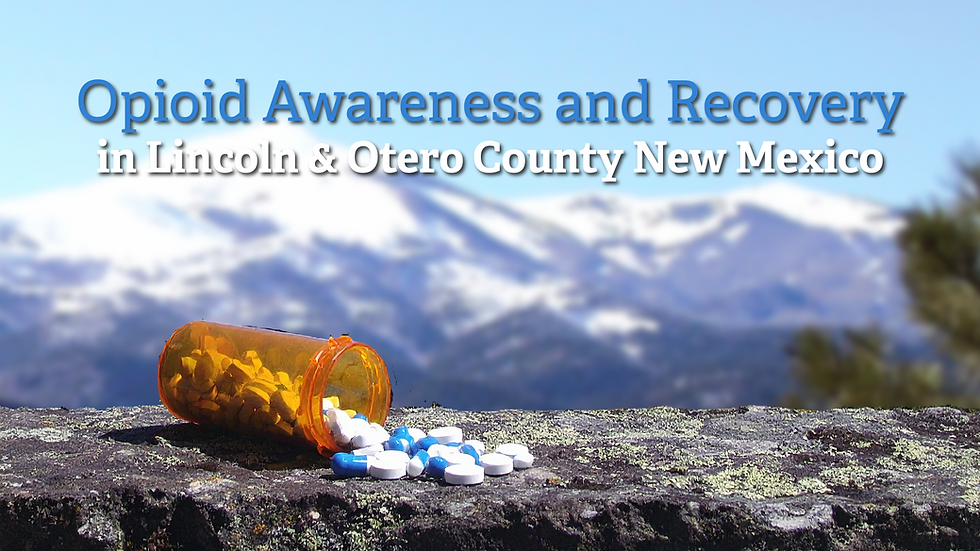
Understanding Why It Starts, Recognizing the Risks, and Finding a Path Forward
Many people who become dependent on opioids never intended to. What often begins as relief—from physical pain after an injury, or from emotional stress—can gradually shift into something harder to control.
Opioids powerfully interact with the brain. They reduce pain and can create a sense of calm or well-being, reinforcing the urge to use them again. Over time, the body adapts. The same dose becomes less effective (a process called tolerance), and stopping can lead to withdrawal symptoms such as anxiety, nausea, and intense discomfort. At that stage, use is often less about “feeling good” and more about avoiding feeling unwell.
Research consistently shows that this progression is not simply about willpower. It reflects real biological changes in the brain, often combined with factors like stress, trauma, limited access to care, or social isolation. Understanding this process is key to reducing stigma—and to helping people seek support earlier.
Key Points for Awareness
1. Opioid misuse can develop gradually. Even prescribed medications can lead to dependence when used over time.
2. Fentanyl increases risk dramatically. Synthetic opioids like fentanyl are extremely potent and are now involved in many overdoses nationwide.
3. Recognizing overdose saves lives. Warning signs include:
Slow or stopped breathing
Blue lips or fingertips
Unresponsiveness
Gurgling or choking sounds
Call 911 immediately if you suspect an overdose.
4. Naloxone can reverse an overdose. Naloxone (often known as Narcan) is widely available in New Mexico and can restore breathing within minutes.
5. Stigma is a barrier to recovery. Addiction is a medical condition. Reducing judgment increases the likelihood that people will seek help.
Treatment Options That Work
Effective, evidence-based treatments are available and improve recovery outcomes:
Medication-Assisted Treatment (MAT)

Buprenorphine (Suboxone)

Methadone

Naltrexone
These medications reduce cravings and withdrawal symptoms, making recovery more stable.
Behavioral Health Support
Individual counseling
Group therapy
Trauma-informed care
Local and State Resources
New Mexico Crisis and Access Line
— Dial or text 988
New Mexico Pathways Program
1-833-796-8773
Creating a Personal Plan Toward Healing
Recovery is not one-size-fits-all. A simple, practical plan can make the first steps clearer and more manageable.
1. Acknowledge the starting point
Be honest about current use, risks, and goals. This is information—not judgment.
2. Build a support network
A trusted friend or family member
A counselor or healthcare provider
A peer recovery group
Support increases accountability and reduces isolation.
3. Explore treatment options early
Medication-assisted treatment and counseling are most effective when started sooner rather than later.
4. Reduce immediate risk
Keep Naloxone accessible
Avoid mixing opioids with alcohol or other sedatives
Use only as prescribed, if currently on medication
5. Set small, realistic goals
Examples:
Attend one appointment
Speak with a provider
Reduce use gradually under medical guidance
Progress is built step by step.
6. Plan for setbacks
Relapse can occur and does not mean failure. Adjust the plan and continue forward.
A Message for Lincoln County
Opioid dependence can affect any family, at any stage of life. But recovery is possible—and it happens every day with the right support, treatment, and community understanding.
If you or someone you know is struggling, reaching out to a local provider or calling 988 can be the first step toward a safer, healthier future.


Comments